
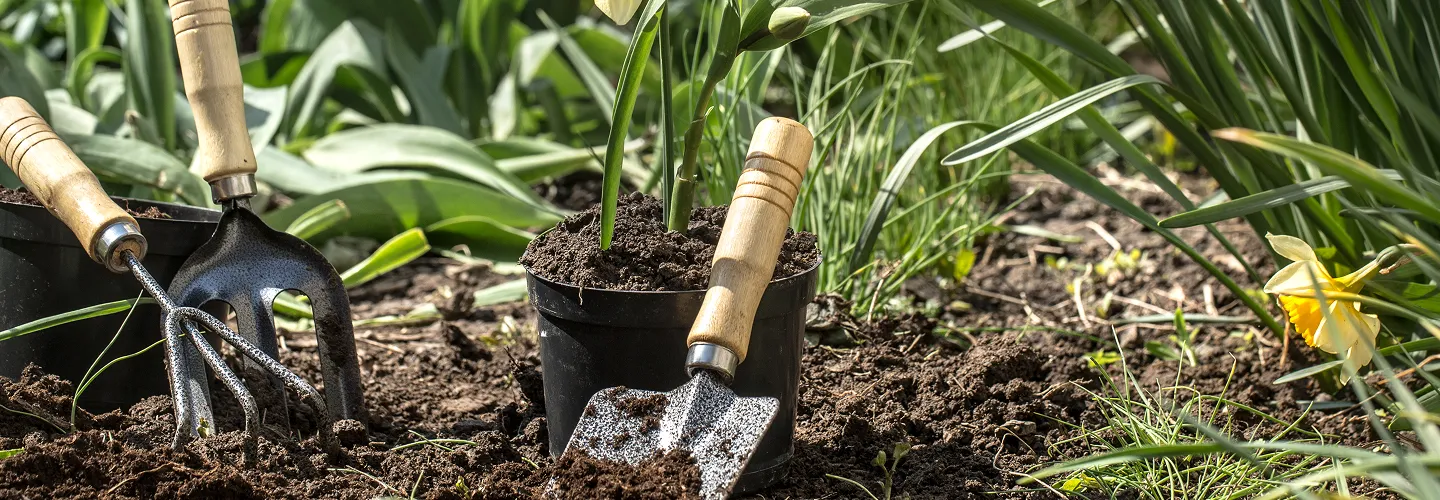
Vernon Hills Weeding Services
Choose our expert weeding services for a healthier, more beautiful landscape—our experienced team ensures your garden thrives by removing unwanted weeds quickly and efficiently, so you can enjoy a lush, vibrant outdoor space all season long.
Get a Free QuoteOur Vernon Hills Landscaping & Yard Care Services
When to Schedule Weeding in Vernon Hills, IL – Seasonal Guide
In Vernon Hills, IL, the best times to schedule weeding are typically in early spring and late summer, when local weather patterns are most favorable for effective weed control. The region’s climate, with its cold winters and humid summers, means that weeds often emerge rapidly after the last frost—usually in late April or early May. Targeting weeding efforts in neighborhoods like Gregg's Landing or near the Vernon Hills Golf Course during these windows helps prevent invasive species from taking hold before they can spread.
Local environmental factors such as the area’s clay-heavy soils, variable shade coverage from mature tree canopies, and the risk of summer droughts all play a role in determining the optimal timing for weeding. Monitoring precipitation and soil moisture is especially important in areas bordering the Vernon Hills Park District, where lush landscapes can encourage weed growth. Additionally, municipal guidelines and seasonal restrictions may influence when and how weeding services can be performed, so it’s wise to stay informed about local ordinances.
Local Factors to Consider for Weeding in Vernon Hills
- Proximity to mature tree stands and shaded areas (e.g., Deerpath Park)
- Soil type and drainage, especially in newer developments
- Average precipitation and risk of summer drought
- Frost dates and timing of spring growth
- Municipal restrictions or community association guidelines
- Terrain variations, such as sloped yards or low-lying areas
- Recent landscaping or construction activity
For more information on local regulations and seasonal updates, visit the Village of Vernon Hills Official Website.
Benefits of Weeding in Vernon Hills

Enhanced Curb Appeal
Healthier Plant Growth
Reduced Pest Infestation
Improved Soil Quality
Professional and Timely Service
Eco-Friendly Landscaping Solutions

Vernon Hills Weeding Types

Hand Weeding
-
Mechanical Weeding
-
Mulch Application
-
Pre-Emergent Weed Control
-
Post-Emergent Weed Control
-
Selective Herbicide Application
-
Non-Selective Herbicide Application
Our Weeding Process
Site Evaluation
Weed Identification
Targeted Removal
Soil Treatment
Final Inspection
Why Choose Vernon Hills Landscape Services
-
Vernon Hills Homeowners Trust Us
-
Expert Lawn Maintenance
-
Reliable Seasonal Cleanup
-
Competitive Pricing
-
Professional Team
-
Satisfaction Guarantee
-
Personalized Service
Contact Vernon Hills's Department of Public Works for Weed Debris Disposal & Municipal Composting Programs
Proper weed debris management in Vernon Hills is essential for environmental protection and regulatory compliance. The Department of Public Works oversees specialized disposal categories: healthy weeds (accepted in municipal composting), invasive species (such as buckthorn, garlic mustard, and honeysuckle, which must be bagged and landfilled), diseased plants (requiring quarantine and controlled disposal), seedy weeds (timed removal and containment), and soil clods or rocks (requiring transfer site coordination). Yard waste collection mandates biodegradable paper bags only, with woody weeds bundled in 4-foot lengths and 50-pound maximums. Composting facilities operate seasonally, with permits and fees as required. Finished compost is available for soil improvement and restoration projects, with strict prohibition on disposing debris in streets or storm drains to prevent MS4 violations and protect water quality.
Vernon Hills Department of Public Works
290 Evergreen Drive, Vernon Hills, IL 60061
Phone: (847) 367-3726
Official Website: Vernon Hills Public Works and Engineering Department
Professional Weed Identification & Integrated Weed Management Assessment for Vernon Hills's Prairie Till Plains
Effective weed management in Vernon Hills requires professional botanical expertise for accurate species identification using taxonomic keys and scientific nomenclature. Common weeds include annuals (crabgrass, chickweed, lamb's quarters, purslane, foxtail), perennials (dandelions, plantain, violets, ground ivy, white clover), grassy weeds (quackgrass, goosegrass, nutsedge), and invasive species (garlic mustard, buckthorn, honeysuckle). Site assessments utilize USDA Web Soil Survey data to evaluate prairie soils with high clay content, moisture, fertility, and shade patterns. Integrated Weed Management (IWM) thresholds consider economic and aesthetic injury, beneficial weed roles (e.g., clover for nitrogen fixation), and optimal timing for control. Coordination with University of Illinois Extension diagnostic services ensures science-based recommendations.
Illinois Environmental Protection Agency Requirements for Weed Control & Water Quality Protection
The Illinois Environmental Protection Agency mandates strict water quality protection, requiring coordination with watershed programs to prevent chemical runoff into streams, rivers, and wetlands. Buffer zones must be maintained near water bodies, and all practices must comply with the Illinois Nutrient Loss Reduction Strategy. Environmental protection measures include groundwater protection near municipal wells, surface water safeguards, and pollinator protection through selective timing and species-specific control. Habitat value assessments help preserve beneficial weedy areas for wildlife, while erosion control requires immediate revegetation and stabilization of bare soil, in partnership with municipal stormwater management programs.
Vernon Hills Water Department
290 Evergreen Drive, Vernon Hills, IL 60061
Phone: (847) 367-3726
Official Website: Fountain Water District
Illinois Pesticide Regulations & Professional Licensing Requirements for Chemical Applications
All chemical weed control in Vernon Hills must comply with Illinois Department of Agriculture regulations, requiring commercial applicator licensing (Category 3A Turf & Landscape). Applicators must pass certification exams covering weed biology and IPM, complete 10 CEUs per 3-year cycle, and maintain federal EPA registration compliance for restricted use pesticides. Professional liability insurance (minimum $1M, $2M aggregate recommended), environmental impairment coverage, and bonding for municipal work are required. Comprehensive record-keeping includes application logs, weather conditions, product rates, and incident reporting. Coordination with U.S. Environmental Protection Agency, Region 5 ensures environmental impact assessments and enforcement.
Integrated Weed Management Strategies: Cultural, Manual & Mechanical Controls in Vernon Hills
Integrated Weed Management (IWM) in Vernon Hills prioritizes manual and mechanical methods before chemical controls. Key strategies include:
- Cultural controls: Mowing at 3-4 inches, balanced fertilization based on soil tests, proper irrigation, core aeration, overseeding with competitive grasses, plant spacing, and mulching (2-4 inches, 6-inch plant clearance)
- Manual controls: Hand-weeding during moist soil conditions, cultivation, hoeing, and flame weeding for gravel paths
- Mechanical controls: String trimming with debris containment, solarization, landscape fabric, and mechanical cultivation
- Biological controls: Encouraging natural predators, competitive groundcovers, and allelopathic species (e.g., tall fescue)
- Chemical controls: Used only as a last resort, with spot treatments, organic options, and resistance management Prevention includes deep mulching, early detection, soil health improvement, and proper plant selection for site conditions.
Seasonal Weeding Calendar & Weather Timing for Vernon Hills's Climate Zone 5b
Vernon Hills, located in USDA Hardiness Zone 5b, experiences distinct seasonal patterns that influence weed management. Recommendations include:
- Early Spring (March-April): Pre-emergent control and perennial treatment when soil temperatures reach 50-55°F
- Late Spring (May-June): Post-emergent annual control during active growth
- Summer (July-August): Perennial control and spot treatments, with increased irrigation
- Fall (September-October): Deep-rooted perennial control as energy moves to roots Weather coordination is critical: optimal soil moisture for manual removal, treatment temperatures of 60-85°F, 24-48 hour rain-free periods for herbicides, and wind speeds under 10 mph. Plant-specific timing avoids seed dispersal and protects pollinators, while wildlife protection considers nesting periods and sensitive habitats. For local weather data, consult National Weather Service Chicago.
Post-Weeding Site Management & Stormwater Protection in Compliance with Vernon Hills's MS4 Program
Vernon Hills's MS4 permit under the Clean Water Act and EPA NPDES requires strict prevention of weed debris and chemical runoff into storm drains, protecting local streams and lakes. Immediate site stabilization includes:
- Prompt revegetation of bare areas within 24-48 hours
- Mulching (2-4 inches, 6-inch plant clearance) for erosion control
- Temporary barriers (silt fence, straw wattles) Long-term management involves organic matter addition, competitive plant establishment, and 30-day/seasonal follow-up inspections. Best management practices include mechanical debris cleanup, proper material staging, and coordination with municipal street sweeping and environmental initiatives.
Vernon Hills Community Development Department
290 Evergreen Drive, Vernon Hills, IL 60061
Phone: (847) 367-3704
Official Website: Vernon Hills Community Development Department
Invasive Species Management & Specialized Disposal Requirements Under Illinois Regulations
Vernon Hills faces significant challenges from invasive species such as garlic mustard (Alliaria petiolata), buckthorn (Rhamnus cathartica), bush honeysuckle (Lonicera spp.), Japanese honeysuckle (Lonicera japonica), and purple loosestrife (Lythrum salicaria). Specialized protocols include:
- Timed removal before seed set using species-specific calendars
- Mechanical removal (pulling, cutting, digging)
- Equipment sanitation between sites (70% isopropyl alcohol or 10% bleach)
- Mandatory bagging and landfill disposal (never composted)
- Transportation protocols to prevent seed spread
- 6-month and annual monitoring for regrowth, with documentation and rapid response Coordination with Illinois Department of Natural Resources and local tracking databases is essential for compliance.
Tool Sanitation, Worker Safety & Public Health Protection Protocols
Comprehensive tool sanitation is vital to prevent pathogen and invasive species transmission. Disinfect tools between sites and plants using 70% isopropyl alcohol or 10% bleach (1:9 ratio), with special protocols for diseased or invasive areas. Worker safety requires PPE: safety glasses, Level A4 cut-resistant gloves, steel-toed boots, long sleeves, and first aid certification. Public health protection includes barriers for children and pets, emergency contact procedures, and safe handling of hazardous plants (poison ivy, wild parsnip). Ergonomic practices—proper lifting, tool selection, activity rotation, stretching, and hydration—reduce injury risk. For health guidance, contact:
Vernon Hills Health Department
290 Evergreen Drive, Vernon Hills, IL 60061
Phone: (847) 367-3700
Official Website: Vernon Hills Health and Human Services
What Neighborhoods Do We Serve Throughout Vernon Hills, IL?
Vernon Hills encompasses diverse neighborhoods, each with unique weeding challenges:
- Deerpath: High clay soils, moderate drainage, mature trees (shade), proximity to Big Bear Lake (water quality zone), HOA landscape standards, limited equipment access
- Gregg's Landing: Newer developments, compacted soils from construction, full sun exposure, high aesthetic expectations, irrigation systems, permit requirements for chemical use
- Hawthorn Club: Older lawns, mixed sun/shade, compaction from foot traffic, near wetlands (conservation restrictions), organic treatment preferences
- Grosse Pointe Village: Prairie soils, moderate weed pressure, adjacent to parks, MS4 compliance, traffic control for service vehicles
- Centennial Crossing: Dense housing, narrow alleys, utility conflicts, notification requirements near schools, strict maintenance standards
- Stone Fence Farms: Large lots, variable soil moisture, wildlife corridors, rare species habitat, monitoring obligations
- River Grove: Floodplain soils, high moisture, invasive species pressure, stormwater management zones, parking restrictions Each area requires tailored IWM strategies, regulatory compliance, and community coordination.
Vernon Hills Municipal Ordinances for Weeding Equipment Operation & Commercial Service Standards
Vernon Hills enforces strict regulations for weeding equipment operation and commercial service standards. Permitted operating hours are 7:00 AM–8:00 PM weekdays and 9:00 AM–6:00 PM weekends, with noise restrictions and residential limitations during sensitive hours. Commercial operators must obtain business licenses, register as contractors, and maintain insurance (minimum $1M liability, workers' compensation, environmental impairment). Bonding is required for municipal contracts, and pesticide applicator certification (Category 3A) must be verified. Safety protocols include traffic control, equipment maintenance, public notification, and right-of-way permits. Environmental compliance mandates proper material handling, vehicle maintenance, immediate cleanup, and documentation, in coordination with Vernon Hills Resolutions and Ordinances and Illinois EPA standards.